
 Welcome to Outcampers

The 10 Essentials for a Better Night’s Sleep in the Wild
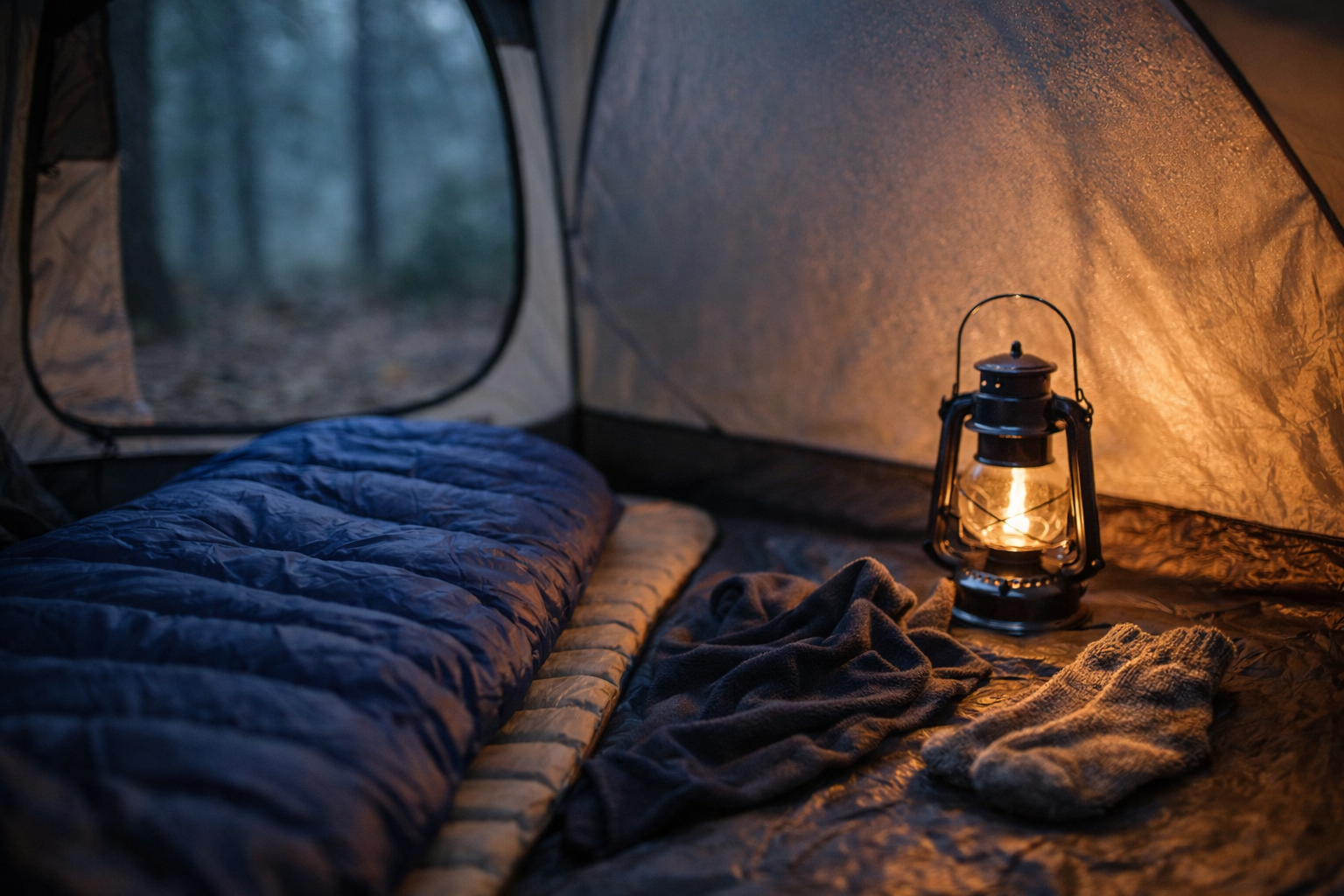
Most new campers focus on the tent first. But if you are cold and uncomfortable at 2 a.m., the best tent in the world will not save the night. A good sleep system has two jobs: keep you warm and support your body. That means choosing the right sleeping bag (or quilt) and pairing it with an insulated pad.
Mastering Your Sleep System for Maximum Warmth and Recovery
Step 1: Understand temperature ratings without getting tricked
Sleeping bags usually show a temperature rating (often based on EN/ISO testing). Here is the practical way to read it:
- Comfort rating: a realistic target for most people
- Limit rating: often too optimistic for many sleepers
- Extreme rating: survival only, not comfort
A simple rule for Europe
If you are camping in spring or autumn, pick a bag with a comfort rating 5C lower than your expected night temperature. Weather changes fast, humidity makes nights feel colder, and tired bodies cool down.
Step 2: Choose insulation type: down vs synthetic
Down insulation
Pros
- Excellent warmth-to-weight
- Packs small
- Long lifespan if cared for
Cons
- Loses performance when wet (unless treated down)
- Typically more expensive
- Needs a bit more care
Down is ideal when you want compact packing: backpacking, small campervan storage, or multi-day trips.
Synthetic insulation
Pros
- Performs better when damp
- Often cheaper
- Easier maintenance
Cons
- Bulkier for the same warmth
- Usually shorter lifespan
Synthetic is great for beginners, coastal humidity, and trips where gear might get wet.
Step 3: Pick the right shape for your sleep style
Mummy bags
Best warmth efficiency. If you sleep cold, mummy bags help reduce drafts. Some people feel restricted, so test the feel if possible.
Semi-rectangular bags
More room for side sleepers and restless sleepers. Slightly less warm for the weight, but often more comfortable.
Quilts
A quilt removes insulation on the underside (because a pad does the work anyway). Quilts can be super light and comfortable, but require a good pad and some skill to avoid drafts.
Step 4: The sleeping pad matters more than you think
Many people buy a warm bag and then sleep on a thin pad. That is the classic cold-night mistake. Ground pulls heat away from you fast, especially on damp soil. Pads have an insulation score called R-value.
Quick R-value guide (practical)
- R 1-2: summer, warm nights
- R 2-3.5: three-season camping (most of Europe)
- R 4+: cold shoulder season, early spring, mountain nights
If you only buy one pad for general European camping, aim for R 3 or higher.
Step 5: Fit and size: stop heat loss and pressure points
Bag fit
Warmth comes from trapping air. If a bag is too big, you waste heat warming extra space. If it is too small, insulation compresses and cold spots appear. Pick a size that lets you move your legs a bit, but still closes down around your shoulders.
Pad width
Many standard pads feel narrow for side sleepers. If you wake up with hip or shoulder pain, consider a wider pad. Comfort often equals better recovery, which equals better hikes.
Step 6: The warm upgrade that costs nothing
Before buying a new bag, try these upgrades:
- Dry base layer: sleep in a clean, dry top and leggings
- Warm socks: but not tight socks
- Beanie: you lose lots of heat from your head
- Loosen the bag: compressed insulation is less warm
- Eat a small snack: your body burns fuel to stay warm
- Hot water bottle trick: fill a bottle with hot water and put it in the bag (ensure lid is secure)
Step 7: Manage condensation and moisture
Moisture makes you feel colder and can reduce insulation performance. Common causes:
- Wet clothes in the tent
- Breathing into the bag hood
- Tent walls touching the bag
- Poor ventilation
What to do
- Ventilate: crack the door or vents even if it is chilly
- Keep wet gear in the vestibule or a separate bag
- Air out your sleeping bag in the morning
- Use a liner if you sweat at night
Step 8: Match your sleep setup to the season
Summer (typical lowlands)
- Bag comfort around 10-15C (or a lightweight quilt)
- Pad R 1.5-2.5
- Focus on ventilation and comfort
Spring and autumn (most popular for trips)
- Bag comfort around 0-5C (depends on region)
- Pad R 3-4
- Add a fleece or puffy layer for evenings
Mountain or early-season cold snaps
- Bag comfort below 0C
- Pad R 4+ or a layered pad setup
- Bring a warm hat and gloves for camp
Step 9: How to choose quickly in 5 questions
- What is your coldest expected night temperature?
- Do you sleep cold, average, or warm?
- Is your camping mostly humid/coastal or dry/inland?
- Do you care more about pack size or budget?
- Are you a side sleeper or back sleeper?
Your answers point you toward the right insulation, shape, and pad rating.
Step 10: A simple example setup (three-season Europe)
- Sleeping bag with comfort rating near 0-5C
- Insulated pad around R 3-4
- Light liner for flexibility
- Dry sleep base layer and warm socks
This setup handles a wide range of conditions without overcomplicating gear choices.
Closing: prioritize sleep, then everything gets better
Good sleep turns camping from “surviving the night” into “enjoying the experience.” Start with the pad, choose a realistic comfort rating, and use simple warmth upgrades. Once you sleep well outdoors, you will want to go out more often – and longer.